Are Hemp Derived Edibles Legal Where You Live? A State-by-State Overview
The short version is that “hemp-derived” does not automatically mean “legal to eat.” It often means the product started life under the federal hemp umbrella, but once it becomes an edible, states may treat it like any other ingestible product that could impair someone. That distinction is where a lot of confusion (and a lot of disappointed customers) comes from.
If you are shopping for hemp derived edibles, hemp-derived thc edibles, or hemp derived thc edibles, you are usually dealing with two overlapping rule sets: federal law that defines hemp by THC concentration, and state rules that regulate how those products are manufactured, labeled, tested, sold, and taxed. Many states allow compliant hemp products, but they can still restrict ingestibles, limit how much delta-9 THC can be in a package, or require that products be sold through certain retail channels.
Below is a practical, state-by-state guide to what to check, plus the common “gotchas” that tend to show up with hemp-derived edibles. This is general information, not legal advice, and laws change. Treat it as a roadmap for asking the right questions quickly.
First, make sure you’re using the same language the law uses
A lot of the legal misunderstanding comes from people using informal terms for compounds that are treated differently in regulations and enforcement.
- “Hemp” is a category under federal law that’s tied to THC concentration in the plant and, depending on the rule, sometimes also the product.
- “Delta-9 THC” (the compound most people associate with marijuana intoxication) is typically the anchor for legality.
- Many states also talk about “total THC” (a broader measure that can include THCa after conversion), and that can affect products that test differently depending on the testing method.
When you see marketing like “0.3% THC hemp” or “THC free,” slow down and check the label for what is actually measured. If a product is advertised as “hemp-derived THC” or “hemp-derived THC edibles,” that usually means it contains some delta-9 THC, even if it is within a state’s tolerated thresholds. That matters because ingestible products can trigger rules that do not apply to smokables or topicals.
The two issues that decide whether a hemp edible is a problem in a given state
In almost every state, the answer ends up depending on two variables.
1) Is it an approved hemp product in that state’s regulatory system?
States often require hemp processors or product lines to be manufactured under a state program, tested to certain standards, and sold with compliant labeling. If your product is being sold like a typical consumer snack with no state-facing compliance, it can be a risk even if it is “legal hemp” at the federal level.2) Even if it’s “hemp,” do ingestibles face extra restrictions?
Some states allow hemp-derived ingested products but place caps on delta-9 per serving or per package, or they treat products that contain THC similarly to medical or adult-use cannabis products. The enforcement posture can also matter. A state can have a rule on paper and still be aggressive about compliance checks, especially around new product formats.That leads to the reality many buyers experience firsthand: a gummy might be easy to buy in one state and effectively treated as a problem in the next, even when the label looks almost identical.
What to verify before you trust “legal in your state” claims
You will save yourself time by checking a few items before you assume you’re covered.
A quick, practical approach is to look for:
- The exact THC type listed on the label (delta-9, delta-8, THCa, “total THC,” etc.).
- How the label breaks down THC per serving and per package.
- Whether the manufacturer provides testing results and can explain the testing method.
- Whether the product is marketed as “hemp” or marketed as a general THC edible, because those marketing differences sometimes map to different legal pathways.
If a retailer tells you “it’s hemp, so it’s legal everywhere,” that’s a red flag. I’ve watched customers get burned by that assumption because states don’t all agree on what “hemp edibles” should be allowed to do inside people’s bodies.
Hemp derived edibles: the predictable friction points
Based on what consistently shows up in regulatory discussions and consumer complaints, these are the themes that cause trouble across states:
First, THC caps that don’t line up. A product might be under the federal threshold but exceed a state’s per-serving or per-package limits once you calculate dose.
Second, product type gets treated differently. Some states are friendlier toward hemp-derived topicals and beverages than they are toward gummies and other candy-like items that feel indistinguishable from marijuana edibles.
Third, conversion math. Products containing THCa can be a gray area when converted to delta-9. Even when a label shows “X mg total THC,” the way that number is computed and enforced can differ.
Fourth, retail and licensing rules. Even if a product is technically allowed, it might not be lawful to sell through certain channels without specific licensing.
With that context, let’s get into the state-by-state overview.
State-by-state: what you should check for hemp-derived THC edibles
Because the law changes frequently, the safest way to read this is as a guided set of “where it tends to go wrong” checkpoints. For each state, you should verify whether hemp-derived edibles are explicitly allowed, whether they are restricted to “inert” cannabinoid products, and what the delta-9 and total THC limitations look like for ingestibles.
Alabama through Alaska
Alabama: Check whether ingestible hemp products with delta-9 THC are specifically allowed and what the per-serving or per-package THC limits are under Alabama’s hemp program rules.
Alaska: Alaska generally has a distinct regulatory structure for hemp and cannabinoid products, so confirm that hemp-derived thc edibles are not treated like cannabis edibles and that dosing limits are met. Arizona: Arizona’s approach has often focused on compliance testing and THC limits in consumer products, so verify that any hemp-derived edible is within those limits and properly labeled for retail sale. Arkansas: For Arkansas, the key question is whether hemp-derived edibles that include delta-9 THC are authorized as hemp products or prohibited as ingestible THC products outside the cannabis system. California: California’s framework can be strict about what cannabinoids are allowed in consumable formats, so confirm that hemp-derived edibles containing delta-9 THC meet the state’s requirements and are not covered under cannabis-only product rules. Colorado: Colorado tends to regulate THC in a way that can separate “hemp” items from regulated cannabis, so confirm whether your specific edible is being treated as hemp under Colorado rules or as a cannabis product. Connecticut: In Connecticut, confirm whether hemp-derived thc edibles are allowed at all in the form you’re buying, and check labeling requirements and THC limits for ingestibles. Delaware: Delaware often cares about how ingestible products are classified, so verify that hemp-derived edibles with delta-9 THC fit within the state’s hemp product permissions. Florida: Florida has had periods of tightening around cannabinoid product rules, so you’ll want to verify the current retail legality and THC limits for hemp-derived edibles. Georgia: Georgia can be conservative about THC-containing ingestibles, so confirm whether hemp-derived thc edibles are expressly permitted and what thresholds are enforced. Hawaii: Hawaii’s approach typically requires close attention to how products qualify as hemp and how THC is measured in consumables, so confirm compliance for ingestible formats. Idaho: Idaho has been known to treat “THC” as a serious threshold issue, so if the product contains any delta-9 THC, verify the state’s position before buying. Illinois: Illinois generally has a mature regulatory environment for cannabis and cannabinoid products, so confirm whether hemp-derived edibles are allowed as hemp or restricted under cannabis rules. 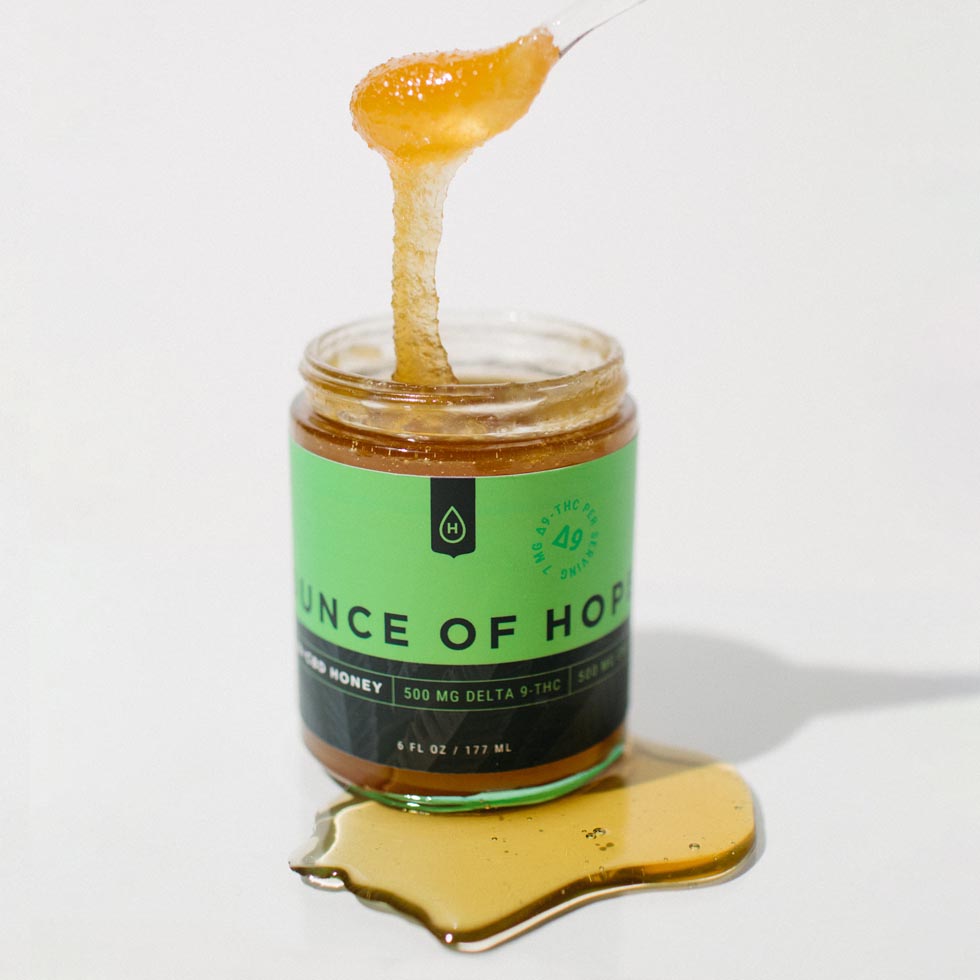
That’s the full state-by-state sweep, but I know what you really want is closer to “yes, it’s legal” or “no, it isn’t.” The hard truth is that without the exact product formulation, label dosing, testing method, and the current state enforcement posture, any blanket yes-or-no would be unreliable and potentially unsafe. What you can do instead is use the next section to make your decision quickly and with less guesswork.
A safer way to confirm legality in the state you care about
Here is the most practical approach I’ve seen work for people who need a straight answer fast, without relying on marketing claims. It’s not a magic trick, but it’s efficient.
- Match the state’s THC definition to your product label. Look for delta-9 THC and “total THC,” and confirm what the state considers when it talks about THC limits for ingestibles.
- Check whether the product is intended to be sold as a hemp item. If it is marketed as a general THC edible rather than as a compliant hemp product, treat it as higher risk until the state’s rules say otherwise.
- Verify per-serving and per-package numbers, not just the headline percentage. Many products pass one threshold but fail another once you translate it into servings.
- Confirm retailer and batch compliance if possible. Reputable retailers may show third-party lab results tied to your batch.
- If the stakes are high, ask a real source in that state. Sometimes a state hemp program contact, a licensed retailer compliance officer, or a qualified attorney can give clearer guidance than you will find online.
When customers do this, the outcome is usually one of three things: the product is fine, the product is fine but only under specific dosing, or the product is not fine in that state for THC-containing edible formats.
Common edge cases people miss with hemp-derived thc edibles
A few situations come up again and again in real-world shopping.
“It’s only 5 mg per gummy” doesn’t guarantee it’s compliant. States may limit total THC in a package, or they may limit delta-9 per serving and also restrict the total across servings.
Two products that look identical can have different THC chemistry. One gummy might contain delta-9 directly, another might rely on THCa conversion, and the state might handle those differently based on measurement and conversion assumptions.
“Sold online” is not the same thing as “legal for residents.” Even when a site ships, it may not be operating under clear state-by-state compliance, or it may be relying on customers to self-check. Shipping policies can also lag behind changes in state rules.
Vacation travel adds a layer of risk. If you move between states, legality can change overnight. A hemp-derived edible that is permissible where you bought it might still be treated as an illegal THC edible in your destination state.
Practical guidance if you just want to buy something today
If you are trying to make a decision quickly, focus on products that are unambiguous in labeling and dosing, and that align with what your state actually regulates for ingestibles. If a product is labeled with clear delta-9 THC and total THC amounts, provides batch testing, and the retailer can explain how it complies with state rules, you are already ahead of most of the market.
If instead the product leans on broad claims like “hemp legal” without dose math, without clear cannabinoid definitions, and without verifiable testing, you’re assuming the law is going to be kinder than it often is.
The bottom line
Hemp derived edibles can be legal in many places, but legality depends on the state’s rules for THC-containing ingestibles, how THC is measured, and whether the product is sold as a compliant hemp item rather than through a cannabis pathway.
If you tell me your state and the product format (gummies, drinks, chocolates) plus the label’s delta-9 THC and total THC numbers per serving, I can help you interpret how those numbers usually line up with the types of state restrictions that tend to matter most.